
I enjoyed reading two posts on Ann Radcliffe’s The Mysteries of Udolpho, one from Smithereens and one by Danielle, with two different reactions to the book. Both bloggers pointed out all the weeping, fainting, and quaking, all the passivity and sensitive emotionalism that the heroine Emily exhibits. It’s hard as a 21st-century reader not to get a bit annoyed by all this, but it helps, as Danielle pointed out, to know that this is simply what novelistic heroines tended to do at the time. Readers at the time expected it and ate it up. Radcliffe was writing when sensibility was all the rage — when everyone was talking about emotions, what they are, why they are important, where they lead us, and how they can possibly make us better people or can possibly distract us from more important matters. You see phrases like “exquisite sensibility” and “overflowing hearts” all over the place.
And the heroines tend to be models of perfection, which can also get annoying, since we are used to much more complexity in our characters. So often plots revolve around testing the perfection of the heroine who tends to remain static, rather than allowing the heroine to have flaws and grow and change. Not all novels are like this, by any means (see Wollstonecraft or Mary Hays or The Female Quixote), but so many heroines from 18C fiction are so irritatingly perfect, that you realize Austen’s genius in creating such well-rounded people.
Given all that, I do love the 18C novel, as you know. I find all the intense emotionalism fascinating, if strange, and I love the way the genre develops though the time period, emerging out of a rich mix of biography, autobiography, history, crime narrative, spiritual narratives, travel writing, etc. I love how weird the 18C novel can be — see The Monk or Tristram Shandy for examples. And I love how you see see political and social changes reflected in the writing — class struggles in Pamela, for example, or capitalism in Robinson Crusoe.
I must say, however, that I’m struggling a bit with my latest 18C novel — Sophia Lee’s The Recess. My initial assessment is that it’s interesting for historical reasons, but not something I’d recommend for someone interested in an absorbing read or someone just starting out on the 18C novel. The book has an odd rhythm to it. I’ve read only the first part out of six, and already I suspect I’ve been given way more historical detail than I need. I’ve come across two stories-within-the-story, both of which are pretty outlandish, filled with incest, murder, lust, and betrayal. That sounds like it might be fun, but the narrator rushes through it all, it’s too much to absorb, and I’m not sure she’s really making use of all the details she throws out there. The pace of the novel is awkward; it’s so fast, I begin to feel bored, oddly enough.
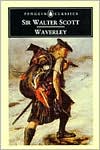
It’s interesting, though, because it’s an early example of the historical novel; it’s about two (fictional) daughters of Mary, Queen of Scots, and Queen Elizabeth and the Earl of Leicester are characters. If I remember correctly, the editor of Waverly claimed that Scott is the first historical novelists, and that’s simply not true. I don’t know who the first is (if there is such a thing), but Lee certainly wrote historical novels before Scott did.
I’ll definitely finish it, so I’ll see if the remaining five parts pick up a little bit.

 Of Books and Bicycles